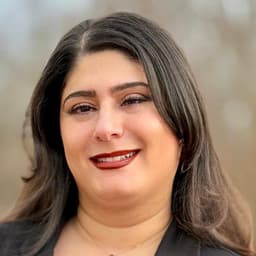
Leila Kandahari
LCSW
Virtual & In-Person
Specializes in Addiction (not substance use), Anger Issues +24 moreSpeaks PersianTreatment will utilize a client-centered, integrative approach informed by evidence-based practices. Interventions will primarily draw from Cognitive Behavioral Therapy (CBT) to address maladaptive thought patterns, enhance emotional regulation, and strengthen coping skills. Supportive therapy and psychoeducation will be incorporated to promote insight, emotional validation, and understanding of the relationship between thoughts, emotions, and behaviors. Care will be culturally responsive and collaborative, with ongoing assessment and adjustment of interventions based on the client’s progress and clinical needs.Next available:Sun Oct 25 @ 12PM
Narrow your search by adjusting your preferences above, or
Find a therapist in Virginia who fits what you're looking for. Browse 1 licensed therapist in Virginia and filter by specialty, insurance, availability, and more to narrow your options. You can review each therapist's background, areas of focus, and approach to care to decide who feels like the right fit.
If you're not sure where to start, Octave can match you with a therapist in Virginia based on your needs and preferences, making it easier to move forward with confidence.- Get A Cost Estimate
Get a detailed cost estimate
We can determine what you can expect to pay for therapy sessions by looking up your plan information.
It typically takes less than a minute.
Frequently asked questions about therapists in Virginia
What matters for your care is that your therapist is licensed in the state where you live. To see an Octave therapist, you are matched with a clinician licensed in Virginia, whether you meet online or in person. Some licenses fall under interstate agreements that let a therapist practice in more than one state, but you never have to sort that out yourself. Octave confirms every therapist is licensed to work with Virginia residents before matching you.
To practice in Virginia, a therapist must hold an active Virginia license. That means completing a master's or doctoral degree in a mental health field, finishing thousands of hours of supervised clinical work, and passing a national or state licensing exam. Licenses are renewed on a schedule and require ongoing education. Every Octave therapist practicing in Virginia holds a current Virginia license, reviewed by our clinical team before they join.
Virginia therapists practice under several license types, most commonly Licensed Clinical Social Workers (LCSW), Licensed Marriage and Family Therapists (LMFT), and Licensed Professional Counselors (LPC). You may also work with psychologists who hold a PhD or PsyD. All are qualified to provide talk therapy, and the right fit depends on what you want to work on more than the letters after their name. Octave works with licensed therapists across these credentials in Virginia.
Yes. If your Octave therapist in Virginia is not the right fit, you can switch at any time at no additional cost. Finding the right match matters more than getting it right on the first try, and it is common to need a session or two to know. Just let us know and we will help you find another licensed Virginia therapist who suits your needs.
No. You do not need a diagnosis, a referral, or a specific reason to start therapy in Virginia. Many people see a Virginia therapist to work through stress, relationships, life changes, or feelings that are hard to name. Your therapist focuses on your goals and what you want to get out of care, not on putting a label on you.
Start with what you want to work on, then look for a Virginia therapist whose experience and approach match. Practical fit counts too: whether they take your insurance, their availability, and whether you feel comfortable with them. With Octave, you answer a few questions during intake and get matched with a licensed Virginia therapist who fits your needs, so you do not have to sort through directories on your own.
Look for an active Virginia license, which confirms the therapist has met the education, training, and exam requirements to practice in Virginia. Common credentials include LCSW, LMFT, and LPC, along with psychologists who hold a PhD or PsyD. Beyond the license, check that their experience lines up with what you want to work on. Every Octave therapist in Virginia is licensed and reviewed for credentials, experience, and clinical approach before joining the platform.
In everyday use, "therapist" and "counselor" often mean the same thing: a trained professional who provides talk therapy. Both can be licensed to treat mental health concerns, and what matters most is their license, training, and experience, not the title they use. Octave connects you with licensed Virginia therapists whose background fits what you are looking for.
A therapist provides talk therapy to help you work through thoughts, feelings, and behavior. A psychiatrist is a medical doctor who can diagnose conditions and prescribe medication. Some people work with both. Octave provides therapy in Virginia, and if medication is something you want to explore, your therapist can talk it through with you and help coordinate care with an outside prescriber.
"Therapist" is a broad term for any licensed professional who provides talk therapy. A psychologist is one kind of therapist, someone with a doctoral degree (PhD or PsyD) who may also do psychological testing. Both provide therapy, and for most people the choice comes down to fit and experience rather than the specific degree. Octave works with licensed Virginia therapists across these backgrounds.
The most important things are a valid Virginia license, experience with what you want to work on, and an approach you feel comfortable with. Practical details matter too: whether they are in-network with your insurance, how soon they are available, and whether you connect with them in early sessions. Octave weighs these factors when matching you with a licensed Virginia therapist, so you are paired with someone who fits both your needs and your schedule.