Last UpdatedFeb 7th, 2026•8 min read
Masking Depression: Recognizing Hidden Depression Behind the Mask of Happiness
Author

Kris Mamuad
LMFT
Content Warning: This blog contains information about suicide and suicidal ideation.
As we mark National Suicide Prevention Month this September, I’ve been thinking about the death of Stephen Boss, known to the world as tWitch. Last December, news broke that the beloved, always-smiling hip-hop dancer and Ellen DeGeneres Show DJ had taken his own life. This left many people confused and wondering: How could someone who seemed so happy take his own life?
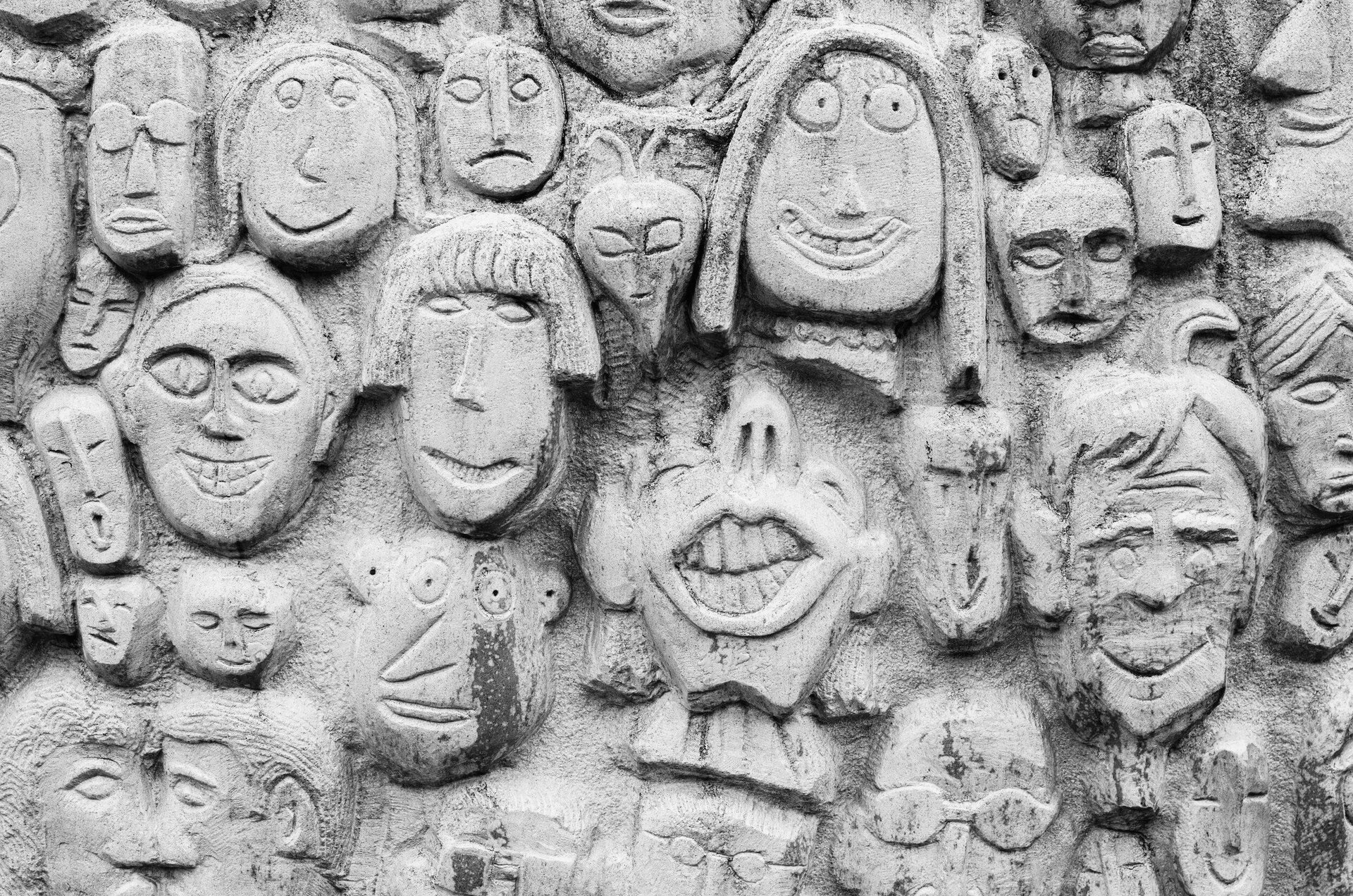
There’s so much weight and emphasis on the word happy. Happiness is a feeling, and feelings come and go. For some people, happiness may become an unhealthy coping mechanism used to mask their true feelings. They may look happy on the outside but really be struggling on the inside. The reality is that depression isn’t a one-dimensional condition.
Depression Isn’t One-Dimensional
You often see depictions of what depression can look like: withdrawal from the world, constant feelings of sadness and worthlessness, outward irritability, and lack of motivation – but depression doesn’t look the same for everyone.
Some people cope with their internal feelings by showing a different side of themselves externally. This may look like an elevated mood, brushing off or minimizing their feelings, or not talking about their feelings openly. Sometimes known as “hidden depression” or “smiling depression,” a person may conceal symptoms of depression out of fear, shame, or distrust. I have worked with clients who struggled to express their real feelings because they didn’t want to burden loved ones — or felt someone else was worse off than them. Others created a “new normal” by increasing their threshold for distress, leading them to minimize their symptoms and mood.

Get the support you deserve
Find an experienced therapist who can help you with depression