ONLINE SOCIAL ANXIETY TREATMENT, COVERED BY INSURANCE
Online Social Anxiety Treatment That Starts Where You Are
When calling an office and sitting in a waiting room are themselves the fear, starting from home is not avoidance; it is a smart first step. Octave offers online therapy with licensed therapists who treat social anxiety. Get a first session in 1 to 3 days, on average, with most members paying $28 or less per session with insurance.

2,500+
Therapists

In-network
with major carriers
2,500+
Licensed Therapists
$28
Typical Out-Of-Pocket Per Session, In Network
1 to 8
Days To A First Appointment
Insurance
We Work With Major Carriers
Clients only pay $28 per session, on average. How is this possible? Octave works with you and your insurance provider to secure the best coverage for therapy and make high-quality care accessible.Did you know?
Got an HSA or FSA? You can also use your pre-tax funds to pay for therapy.
Insurance Coverage
Save time and money
Know the cost of therapy before you start. Discover how much your insurance will cover for therapy with Octave. Simply select your state and insurance provider to see any out-of-pocket costs.

How it works
4 steps to start therapy
Step 01
Answer a few questions

Tell us a little about yourself and what you're looking for. You'll get an idea of your cost (if any) after answering.
Step 02
Find the right therapist
Browse licensed Octave therapists or work 1:1 with our team to find a match for your needs and schedule.
Step 03
Start therapy
Schedule your sessions and build a care plan with your therapist that measures progress.
Step 04
See results
Care is grounded in measurable outcomes, with tailored techniques to support real improvement in anxiety, depression, and other concerns.

Get seen by an Octave therapist within 1-8 days.
Provider credentialing section
Octave client satisfaction scores are 36% higher than industry average.
Every clinician is independently licensed, masters- or doctorate-trained, and reviewed for clinical fit before they see a single client.
2,500+
Therapists in network
Independently licensed across 20+ states
100%
License verified
Active state licensure confirmed quarterly with the issuing board
40+
Languages spoken
Clinicians speak 41 languages
10 yrs
Average experience
Median post-licensure clinical practice in the network
Outcomes and clinical evidence
Results that speak for themselves
95%
state that therapy through Octave has been worth the effort
Octave Client survey, 2025 (n=305)
89%
report a strong therapeutic alliance with their provider
Ongoing Octave client provider survey, 2026
76%
clients with clinical depression report significant improvement within 3 months of care
Octave Clinical Outcomes study, 2023 (n=17,000+)
In our clients’ own words
Our success is measured by the satisfaction of the clients we serve. See what some of them have to say about their experience.
After their first therapist session, 9 in 10 Octave clients say that their therapy experience has been good or better.
Octave Patient
After their first therapist session, 9 in 10 Octave clients say that their therapy experience has been good or better.
Octave Patient
After their first therapist session, 9 in 10 Octave clients say that their therapy experience has been good or better.
Octave Patient
After their first therapist session, 9 in 10 Octave clients say that their therapy experience has been good or better.
Octave Patient
After their first therapist session, 9 in 10 Octave clients say that their therapy experience has been good or better.
Octave Patient
After their first therapist session, 9 in 10 Octave clients say that their therapy experience has been good or better.
Octave Patient
After their first therapist session, 9 in 10 Octave clients say that their therapy experience has been good or better.
Octave Patient
After their first therapist session, 9 in 10 Octave clients say that their therapy experience has been good or better.
Octave Patient
After their first therapist session, 9 in 10 Octave clients say that their therapy experience has been good or better.
Octave Patient
After their first therapist session, 9 in 10 Octave clients say that their therapy experience has been good or better.
Octave Patient
Frequently Asked Questions
Online Social Anxiety Treatment, Answered
Reaching out is often the hardest part with social anxiety. Here's what treatment involves, what it costs, and how soon you can begin.
Yes, in most cases. Most Octave members pay $28 or less per session using in-network insurance, and checking your cost with the estimator happens in writing like everything else, with no call required.
Cognitive behavioral therapy (CBT) with graduated exposure is the first-line treatment for social anxiety disorder. It works on both halves of the problem: the predictions your mind makes about being judged, and the avoidance that keeps those predictions untested. Treatment is gradual and collaborative; nothing is sprung on you.
No. Shyness is a temperament; social anxiety disorder is a fear of judgment intense enough to drive avoidance and interfere with work, relationships, or daily life. If you plan your days around not being perceived, rehearse conversations for hours, or replay them for days, that is beyond shyness, and it is treatable.
No, and this question deserves a straight answer: starting online removes a barrier the condition itself built, and the treatment still moves you toward real-world situations. The exposures happen out in your life, planned together and taken in steps. Online is the on-ramp, not the destination.
Most Octave members have a first appointment with a therapist in 1 to 8 days, entirely without phone calls: questions, matching, and booking all happen in writing. Evening and weekend times are available, with online or in-person sessions in select cities.
CBT for social anxiety is typically structured over roughly 12 to 20 sessions, with many people noticing change within the first month. Progress is measurable: situations attempted, avoided things done, recovery time after awkward moments shrinking. 94% of Octave members report meaningful improvement within 12 sessions.
More On Online Anxiety Therapy
What Online Social Anxiety Treatment At Octave Looks Like
Social anxiety disorder is an intense fear of being judged, embarrassed, or seen as anxious in social or performance situations, strong enough to drive avoidance and cost real opportunities: meetings unspoken in, friendships not started, calls not made. It is one of the most common anxiety conditions and one of the most treatable. Online social anxiety treatment at Octave means video sessions with a licensed therapist, from home, using the same evidence-based methods as in-office care.
How therapy treats social anxiety
CBT for social anxiety works both sides of the fear:
Thought work identifies the predictions (they will think I am boring, my hands will shake and everyone will see) and tests them against what actually happens, which is reliably milder than forecast.
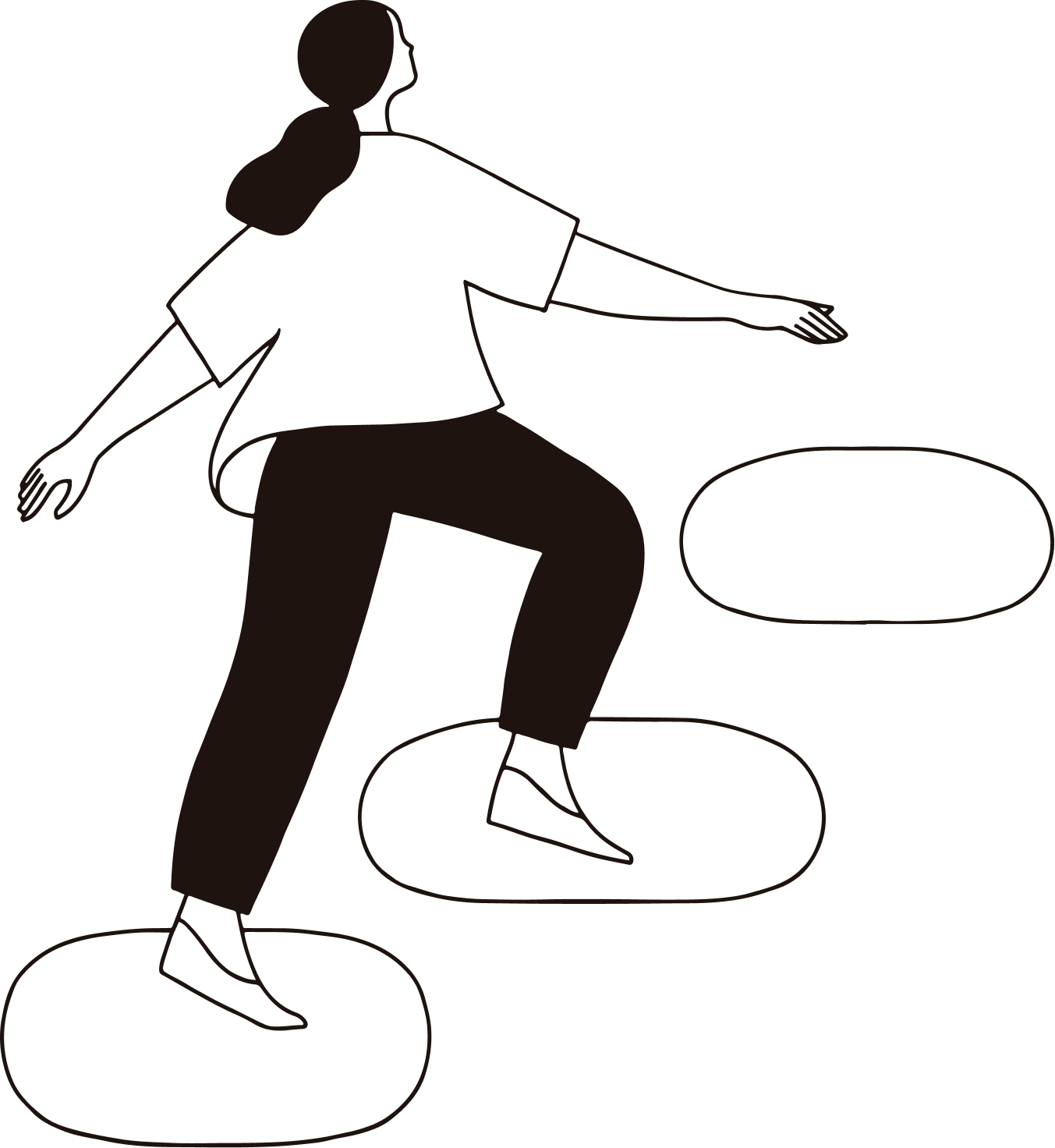
Graduated exposure builds a ladder of feared situations, from small to significant, and climbs it at an agreed pace, decreasing avoidance rung by rung.
Attention and safety-behavior work retrains the habits that keep the anxiety alive: self-monitoring, rehearsing, escape planning.
The fear shrinks by being contradicted, not argued with, and the evidence base for this approach is among the strongest in mental health care.
The first sessions of social anxiety treatment
The first sessions are one-on-one, private, and low-pressure: mapping where the fear shows up, what it costs, and what you want back. Early exposures are chosen together and start well within reach. If the fit is not right, Octave’s Care Navigators re-match you or you can search our directory and book yourself, with no awkward breakup conversation required.
Why online treatment fits social anxiety
The traditional path into therapy is itself a gauntlet of the feared situations: the phone call, the receptionist, the waiting room. Online treatment removes the gauntlet without removing the work, and the work is what changes things. Sessions happen where you feel safest, and the exposures graduate outward from there into the situations that matter.
Starting without a phone call
Everything up to your first session happens in writing: answer a few questions, review your matches or search our directory on your own, book online, and meet your therapist by video in about a week. Social anxiety has been deciding what you attempt for long enough; the first step toward change can be this.
If you need help right now
Crisis resources.
Octave is not an emergency service. If you or someone you love is in immediate danger, call 911 or go to your nearest emergency room.
988 Suicide & Crisis Lifeline
24/7, free, confidential — call or text
Crisis Text Line
Text HOME — 24/7 trained counselors
National DV Hotline
24/7 confidential support
Veterans Crisis Line
Press 1 after dialing 988
SAMHSA National Helpline
Treatment referral & info, 24/7
Trevor Project
LGBTQ+ youth crisis support
No phone call. No waiting room. No audience.
Online social anxiety treatment with a licensed therapist, covered by most major insurance plans.
Find Your Best Therapist